Why Branded Photo Backdrops Make Sense for Weddings and Fashion Events
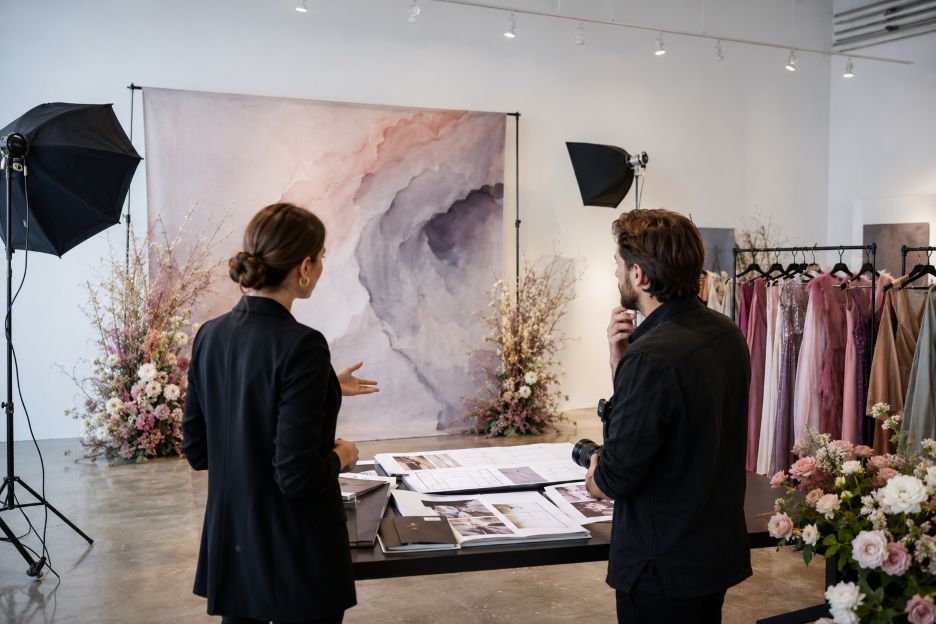
Fashion shows, weddings, and beauty events are designed to be seen as well as experienced. Clothing, décor, lighting, flowers, makeup, and venue styling all contribute to a visual story. A photo backdrop gives that story a clear setting, creating a dedicated place where guests, models, couples, and event partners can be photographed without unrelated details distracting from the occasion.
For planners working in busy venues, a custom backdrop can also bring visual order to a room. Guidance on Step and Repeat NYC explains how repeating marks remain visible across different camera crops and framing styles. That consistency is useful at events where professional photographers, guests, and content creators may all capture the same scene differently.
A Natural Extension of Fashion Event Styling
Fashion events often move between presentation and social interaction.
A runway may be the main attraction, but arrivals, interviews, backstage moments, and post-show conversations also shape how the event is remembered. A dedicated photo wall creates a visual link between these separate parts of the program.
For a designer presentation, the background might repeat a fashion label’s mark alongside those of production partners. At a beauty launch, it could use campaign colors or a restrained pattern inspired by the product packaging. The goal is not to fill every empty space with branding. It is to create a recognizable setting that feels connected to the collection, season, or creative theme.
This approach can also help photographers work more efficiently. Instead of searching for a clean wall or moving distracting objects out of a frame, they have a prepared location with planned lighting and enough room for individual or group portraits. Interviews, designer photographs, and guest arrivals can then share a consistent visual language.
A Flexible Addition to Wedding Design
Weddings use photo backdrops differently because the emphasis is usually personal rather than commercial. Initials, a family name, a wedding date, botanical artwork, or a motif from the invitations can replace rows of business logos. The repeating format can still be used, but it may be softened through lighter colors, generous spacing, or decorative details.
A backdrop can help connect the ceremony and reception when the two spaces have different architectural styles.
For example, a couple may carry the same monogram from printed stationery to the seating plan and photo area. This creates continuity without requiring every decorative element to match exactly.
It also gives guests a clear place to gather for portraits. Wedding photographers must capture formal family groups, candid interactions, full-length outfits, and smaller combinations of guests. A designated setting can reduce interruptions around the dance floor, dining tables, or ceremony decorations while giving people time to pose comfortably.
Supporting the Guest Experience
A photo area can become part of the event’s flow rather than a display placed against an unused wall. Near an entrance, it can serve as an arrival point. Beside a reception lounge, it can encourage informal portraits during quieter moments. At a fashion party, it may provide a transition between registration and the main presentation.
Placement matters because a backdrop that blocks a corridor or creates a long queue can work against the experience. Planners should account for the frame, lighting stands, photographer position, full-length clothing, and waiting guests. Evening gowns, bridal trains, and structured fashion pieces require more floor space than ordinary standing portraits.
The setting should also feel welcoming to a varied group. A background that works with pale bridalwear, dark suits, bright evening clothing, and different skin tones will be more useful than one designed around a single outfit. Canon Europe notes that diffused light can preserve detail in highlights and shadows while producing more natural-looking skin tones. This makes soft, controlled lighting a sensible choice for mixed groups.
Making Event Images More Consistent
Event photographs rarely remain in one format. A fashion editor may use a horizontal image, while a guest posts a vertical version on social media. A wedding album may include full-length portraits beside close crops. Repeated graphics increase the chance that a complete monogram, symbol, or event mark remains visible across these variations.
That does not mean every backdrop needs dense branding. Large logos may be cut off in close portraits, while very small marks can disappear in wider photographs. Balanced spacing allows the background to remain recognizable without drawing attention away from faces, garments, makeup, or bridal details.
Color consistency is another consideration. Adobe explains that RGB is used for screen display, while CMYK is intended for process-color printing. Since the available color range varies with the press and printing conditions, planners should request a proof when a particular wedding shade or fashion brand color is important.
READ ALSO: Using Step & Repeat Banners for Fashion Shows, Bridal Events & Beauty Launches in NYC
A Practical Part of Event Planning
A branded photo backdrop makes sense when it has a defined purpose within the event. It can connect visual details, support photographers, organize guest movement, acknowledge partners, and provide a consistent setting for images. It should be planned alongside lighting, décor, floor layout, and the photography schedule rather than added at the last minute.
Before approval, the event team can photograph a sample area with a professional camera and several smartphones. Testing light and dark outfits, individual portraits, couples, and groups reveals problems with glare, shadows, cropping, or scale. When those details are resolved early, the finished backdrop becomes a natural part of the wedding or fashion environment, giving guests a polished place to record an occasion already built around memorable visual moments.ted photo backdrop before a combined fashion and beauty celebration, lighting stands, venue plans, clothing racks, and floral styling visible nearby, polished gallery interior, soft neutral lighting, realistic editorial composition, no logos or readable text.