Fashion
Beyond Rings and Necklaces: Personal Accessories Couples May Consider for a Nontraditional Wedding Look
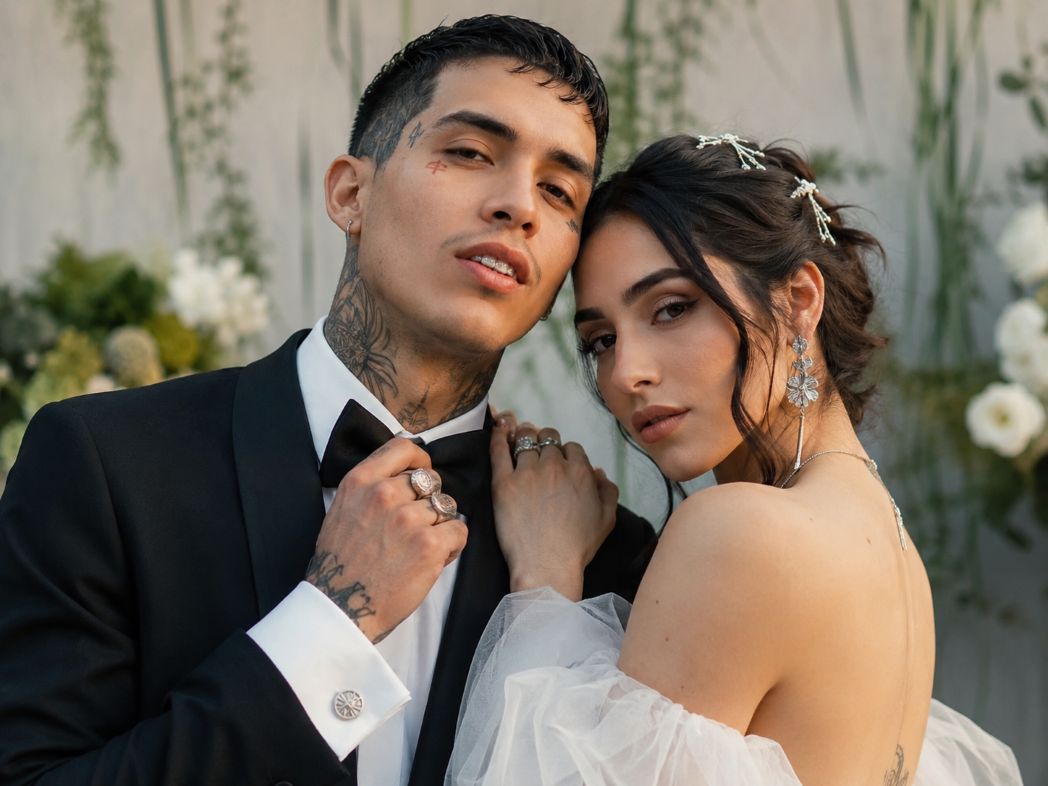
Wedding accessories can change the character of formal clothing without requiring a different outfit. The Knot notes that couples can use earrings, hair pieces, shoes, cufflinks, and other details to make wedding clothing feel more individual. That can help when traditional suits, dresses, or formalwear feel right, but the finished look still needs a personal touch.
For couples drawn to silver-toned details, handcrafted sterling pieces can offer a more individualized option than familiar rings or necklaces. Rhino Grillz describes several custom .925 silver designs as handcrafted and made to fit from dental impressions, including open-face and solid styles. The Federal Trade Commission states that “sterling” and “sterling silver” refer to products containing 92.5 percent pure silver, while GIA notes that other metals are added to improve practicality for jewelry.
1. Personalized Cufflinks Can Carry a Small Story
Cufflinks can personalize formal tailoring without changing its overall shape. The Knot describes them as functional and decorative accessories for French-cuff shirts and suggests engraved initials as one way to add personality.
Couples might choose the same metal but different engravings, or use separate designs linked by one theme. A date, place, family reference, or small symbol can make the detail meaningful while keeping the outfit formal.
2. Hair Jewelry Can Add Detail Without a Necklace
Hair accessories work well for someone who wants detail near the face without adding another piece around the neckline. The Knot includes hairpins, clips, headbands, and related pieces among common wedding accessories.
A less traditional approach could use sculptural metal pins, geometric clips, vintage combs, or pieces that echo an accessory worn by a partner. The connection can be subtle rather than identical.
3. Custom Earrings Can Become the Main Jewelry Statement
Earrings can provide a clear focal point when clothing already has strong visual details. A custom pair can feel distinctive without requiring several other pieces.
The Knot advises considering an outfit’s color, style, and formality when choosing accessories. A dramatic earring may therefore work best when other jewelry stays restrained. Couples can also coordinate materials rather than designs, such as choosing silver-toned pieces in different shapes.
4. Engraved Pieces Add Meaning Quietly
Personalization does not have to be obvious to every guest. Engraved tie bars, bracelets, watches, lockets, or small metal accessories can carry private messages that the wearer may choose to keep discreet.
This can suit couples who want sentimental details without making everything match. The shared element might be a date, coordinates, phrase, or symbol rather than the accessory itself.
5. Decorative Footwear Can Shift the Mood
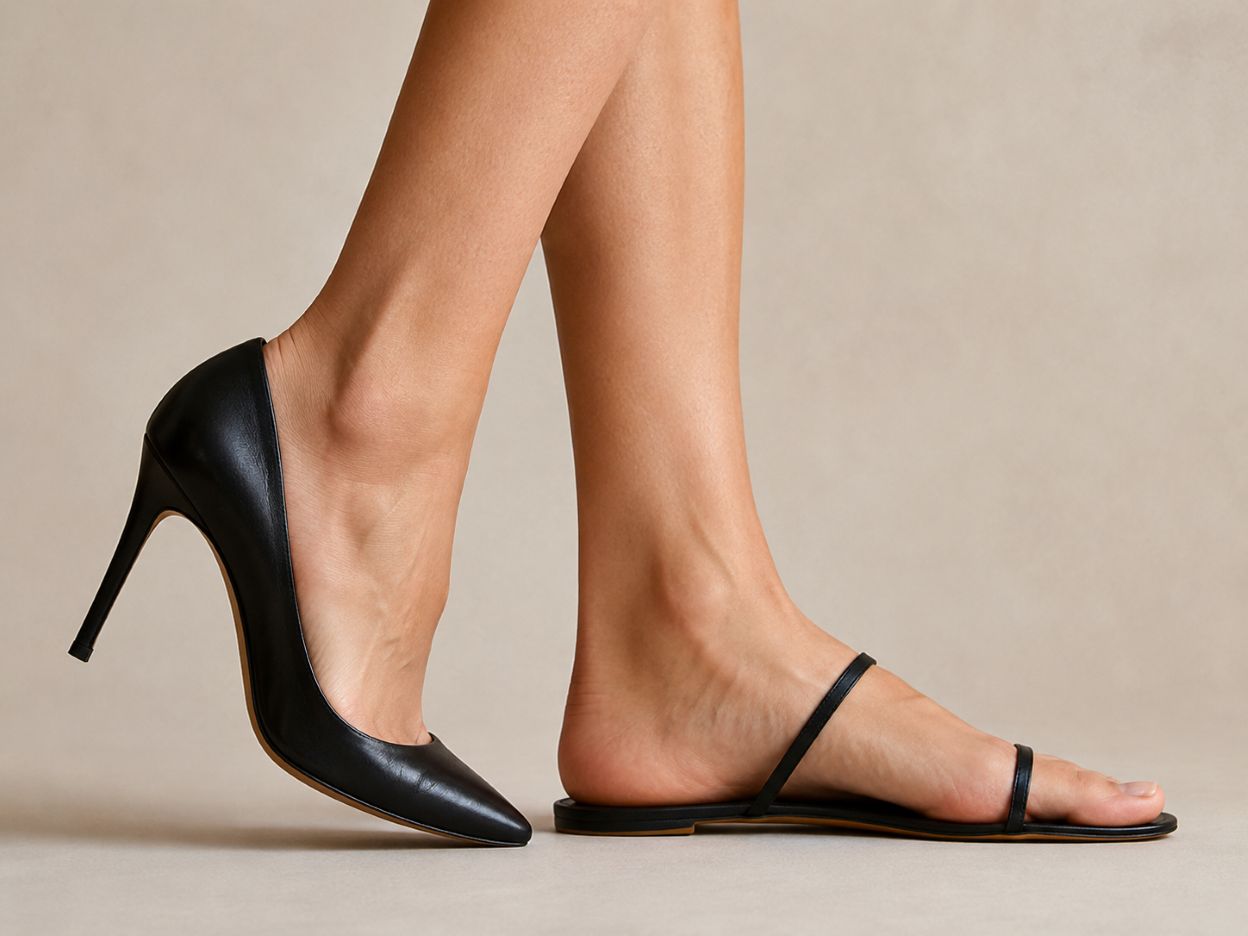
Shoes are practical, but they can also become one of the most expressive parts of a wedding outfit. The Knot includes shoes among the accessories that help complete wedding styling and recommends considering both personal style and comfort.
Options might include embroidered shoes, metallic loafers, decorated boots, custom sneakers, or footwear in a shared accent color. These choices can also complement timeless bridal fashion by adding personality without taking attention away from the overall wedding look. Because shoes sit away from the face and neckline, they can introduce an expressive detail without making the outfit feel crowded.
6. Removable Statement Accessories Can Create a Second Look
Some couples want a stronger change for portraits or the reception without changing clothes. Removable accessories make that easier. Brooches, detachable collars, decorative gloves, bold hair pieces, and temporary statement jewelry can be added or removed as the day changes. The Knot notes that changing accessories is one way to alter a wedding look without purchasing an entirely separate outfit.
Dental grillz are a more unconventional example. Rhino Grillz lists custom silver designs created from impressions, including open-face and solid options. The American Dental Association advises caution with oral jewelry. Its MouthHealthy guidance says removable grills should be cleaned daily, removed before eating, and discussed with a dentist because debris can collect between the accessory and the teeth.
How Can Two Looks Feel Connected Without Matching?
Couples do not need identical accessories to look coordinated. Repeating a material, finish, shape, engraving style, or accent color can create a clear connection while allowing each person to keep an individual style.
One person might wear silver cufflinks while the other chooses silver hair jewelry or earrings. Another pair might repeat a geometric motif across shoes and an engraved accessory. The relationship between the details matters more than making the items the same.
Choose Accessories That Still Feel Like You
Unconventional accessories work best when they extend a style that already feels natural to the wearer. A wedding can justify something special, but being unusual does not automatically make an accessory personal.
Couples may get a stronger result by starting with what they already wear and enjoy. From engraved details and expressive footwear to custom silver pieces, the best choices are the ones that still make sense after the wedding photos are taken. A distinctive accessory should feel like part of the person wearing it, rather than a novelty chosen only for the occasion.
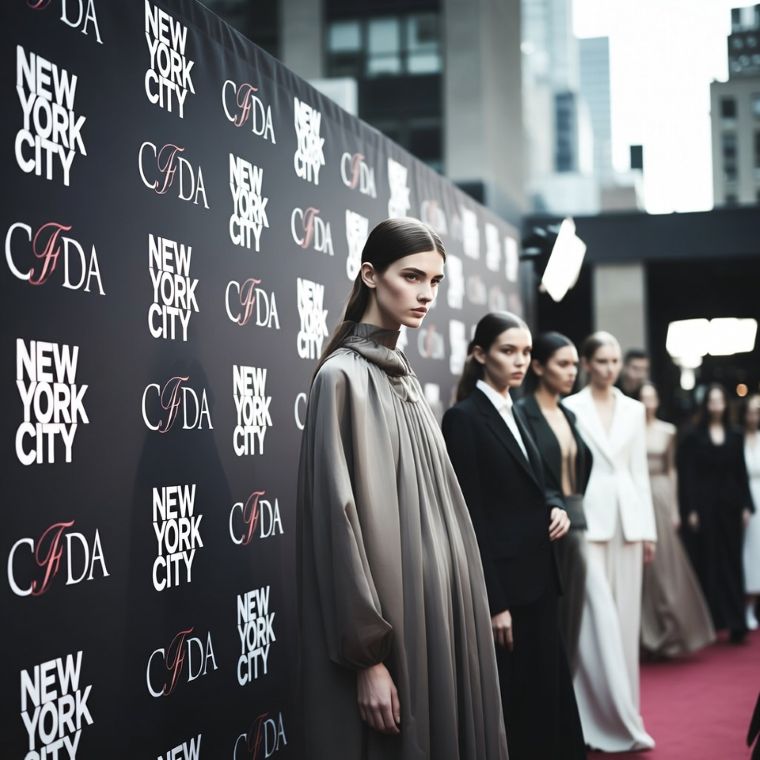 Every photo-worthy moment at a fashion show or beauty event starts with a stunning backdrop. From runway entrances to product launches, visuals play a massive role in setting the tone. High-quality step and repeat banners have become an essential design element, transforming blank spaces into glamorous branding opportunities. For fashion houses and event planners in New York City, these printed backdrops don’t just fill a space, they create an experience.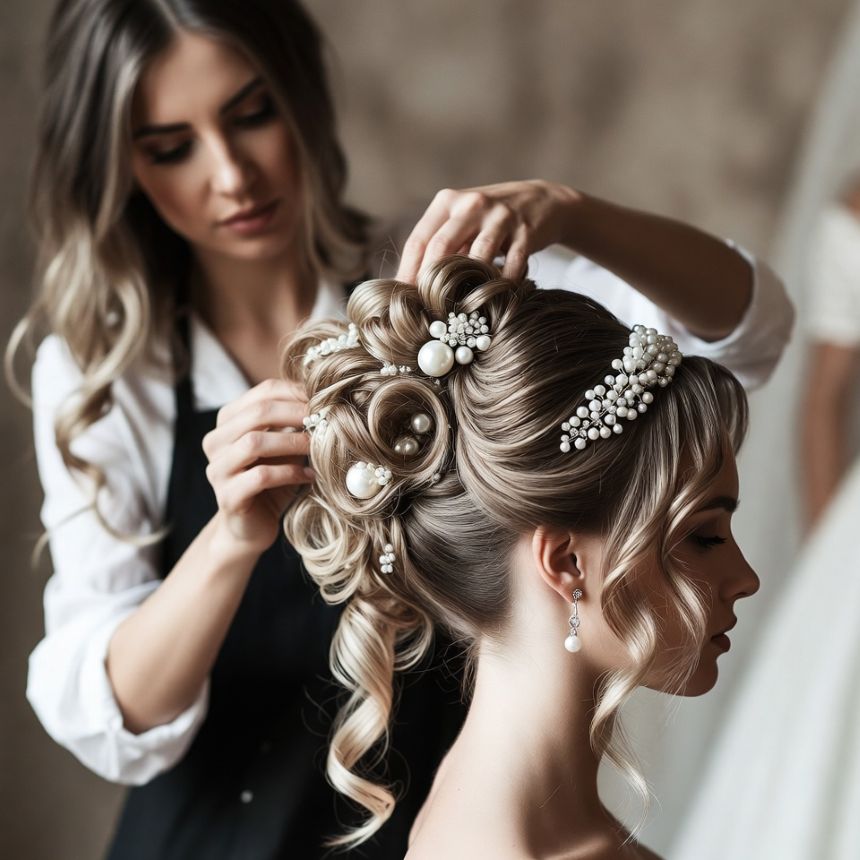
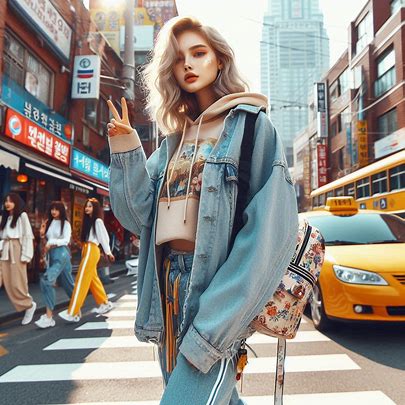 South Korea has become a trendsetter in beauty, fashion, and wedding planning. With innovative styles and a strong online presence, Korean platforms are now go-to resources for enthusiasts worldwide. Whether you are seeking the latest makeup trends, fashion updates, or tips for your big day, reliable online sites can guide your choices.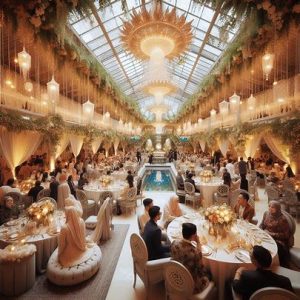
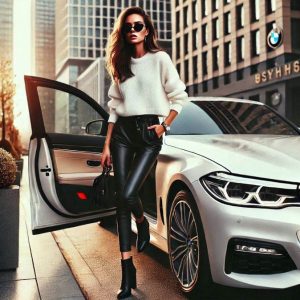 Driving a BMW is a commitment to excellence. Much like curating the perfect outfit, maintaining your car showcases your attention to detail and appreciation for quality. Regular BMW service ensures that your vehicle performs at its peak and reflects your refined taste. After all, a car that looks and runs perfectly extends your stylish lifestyle.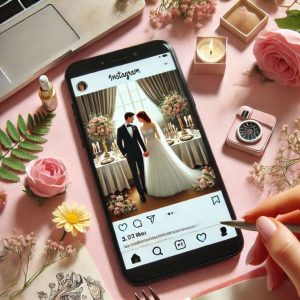
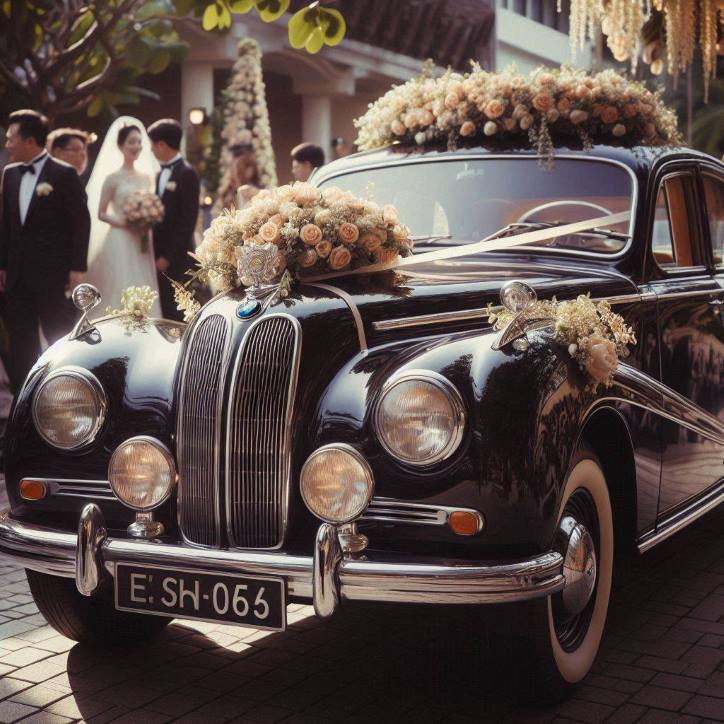 A wedding is incomplete without a stunning getaway vehicle that reflects the couple’s style. From subtle touches to bold statements, the right car accessories can transform an ordinary car into a sophisticated ride for the bride and groom. Paying attention to small details, like personalized keyrings or chic car badges, ensures the car exudes elegance and charm.
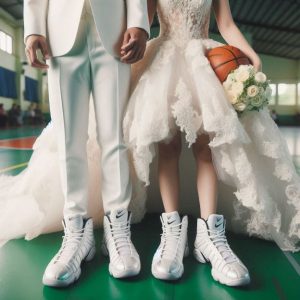 Sports have always had a way of influencing culture, from music to art and even fashion. A less discussed but emerging trend is how major sporting events are inspiring the designs and styles seen at weddings and other formal events. Fashion designers are increasingly looking at what people wear to games and how athletes and fans express their love for sports through fashion, turning this passion into bridal and event couture.