Beauty
Printed Backdrops or Digital Photo Walls: Which Works Better for Stylish Celebrations?
Photographic backgrounds influence how guests, clothing, décor, and event branding appear in finished images. For wedding planners, fashion teams, and beauty event organizers, the choice often comes down to a printed backdrop or a digital photo wall. Both can create a polished focal point, but they behave differently under event lighting, camera flash, and changing production demands.
Printed installations offer a familiar solution for events that need a controlled, repeatable visual identity. Services involving step and repeat printing NYC fit naturally into wedding receptions, fashion launches, and beauty events where guests will be photographed throughout the program. Once the artwork, dimensions, material, and support system are approved, the background remains visually consistent from the first arrival to the final portrait.
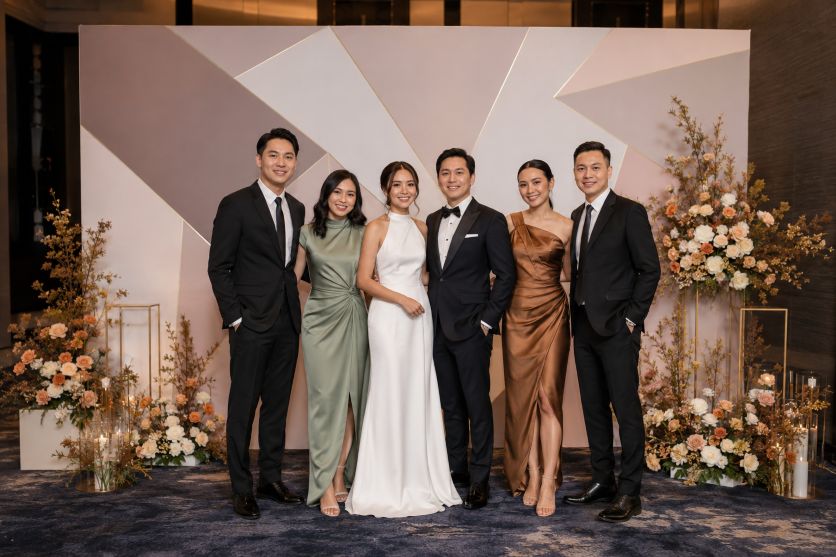
The Case for Printed Backdrops
A printed backdrop has a predictable appearance. Its graphics do not change unexpectedly, and it does not depend on media servers, signal cables, or content operators during the celebration. Setup usually involves assembling a frame, attaching the printed material, smoothing the surface, and checking its position against the camera angle.
This simplicity can be valuable during weddings, where vendors must coordinate floral arrangements, tables, entertainment, and photography within a limited installation window. At fashion and beauty launches, a fixed pattern can also keep sponsor marks or decorative motifs in approximately the same position across hundreds of photographs.
Color preparation still matters. Adobe explains that monitor and printer profiles translate colors between different devices. A design viewed on a bright screen may therefore look different when printed unless the production team uses suitable profiles, proofs the artwork, and considers the venue’s ambient light.
Material choice affects photographic performance as well. A matte or low-sheen surface generally gives planners more control than a highly reflective finish when direct flash is expected. Nikon notes in its photography guidance that reflective surfaces can interact poorly with flash and create unnatural results. A test photograph can reveal bright spots, wrinkles, or distracting shadows before guests arrive.
The Argument for Digital Photo Walls
Digital walls provide something print cannot deliver: movement. They can display animated patterns, countdowns, color transitions, guest names, or content that changes between different parts of the event. A wedding wall might shift from a restrained arrival design to a more energetic reception sequence. A beauty launch could rotate product-inspired colors, while a fashion event could coordinate visuals with individual collections.
Personalization also creates opportunities for participation. Guests may see their names, selected photographs, or event-themed graphics appear on screen. This can make the photo area feel like an experience instead of a fixed background. However, changing content requires more preparation. Organizers must develop media in the correct size and format, arrange playback equipment, test connections, and decide who will control the display.
Cameras can expose technical issues that are difficult to notice with the eye alone. ARRI explains that LED walls can produce moiré when the regular arrangement of screen pixels interacts with a camera sensor. Lens choice, focus, aperture, camera distance, and the type of display can all influence the effect.
Electronic displays may also create bands or flicker at certain shutter settings. Guidance from Sony shows that artificial light sources can cause horizontal banding and that camera shutter settings may reduce the problem. Event photographers should therefore test still photographs and video clips using the actual screen content planned for the celebration.
Beauty Lighting and Camera Flash
Beauty lighting is designed to render faces evenly, but the background must remain balanced with the subject. A printed surface reflects the light placed around it, so photographers can adjust lamp positions, flash power, and subject distance. If the print is too bright or glossy, highlights may become distracting. If it is too dark, branding and decorative details may disappear behind the guests.
A digital wall produces its own light. This can add rich color and visual depth, yet an overly bright display may compete with skin tones or influence the camera’s exposure. Lowering screen brightness, choosing less saturated content, and leaving space between guests and the wall can help. Testing should include pale dresses, dark suits, reflective fabrics, and different skin tones because one exposure may not suit every subject.
Finding a Balanced Choice
Neither option is universally better. Printed backdrops suit venues that need straightforward installation, consistent photographs, limited technical supervision, and a clearly controlled budget. They are especially practical in compact reception rooms or busy launch spaces where equipment depth and electrical access are restricted. For garden venues, principles of outdoor wedding space planning can help organizers consider sunlight, guest movement, landscaping, weather protection, and suitable photography angles before positioning the backdrop.
Digital walls make more sense when changing visuals and guest interaction are central to the event concept. They require adequate space, reliable power, technical support, and a photography plan that accounts for brightness, flicker, and pixel patterns. Rental, content production, staffing, and backup equipment should all be considered when comparing costs.
The final decision should follow the desired photographic result. Choose print when consistency and operational simplicity carry the most weight. Choose digital when animation and personalization justify the additional production work. For some stylish celebrations, a restrained printed portrait area paired with digital displays elsewhere provides the clearest balance between dependable photography and a lively guest experience.
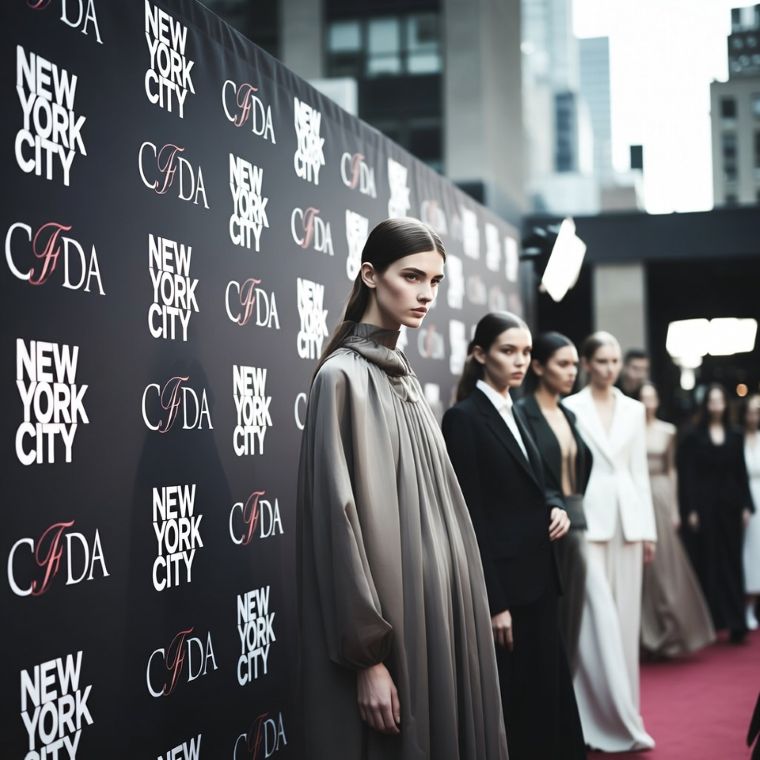 Every photo-worthy moment at a fashion show or beauty event starts with a stunning backdrop. From runway entrances to product launches, visuals play a massive role in setting the tone. High-quality step and repeat banners have become an essential design element, transforming blank spaces into glamorous branding opportunities. For fashion houses and event planners in New York City, these printed backdrops don’t just fill a space, they create an experience.