Beauty
Preparing for Wedding Season: Wellness Treatments That Help Brides and Grooms Feel Event-Ready
Wedding preparation often extends far beyond choosing outfits and confirming guest lists. Research from the American Academy of Dermatology shows that healthy skin habits require consistency over time, while the Centers for Disease Control and Prevention highlights the importance of adequate sleep, hydration, nutrition, and stress management for overall health. These factors can influence how people feel and present themselves during important celebrations.
Many couples also explore spa and wellness services as part of their preparation. While researching available options, they may encounter a commercial red light bed offered in some wellness centers alongside massage therapy, skincare treatments, and relaxation programs. Such equipment should be viewed as one component of a broader wellness environment. Experts note that individual responses vary, and these services should complement, rather than replace, healthy lifestyle habits and professional medical advice when needed.
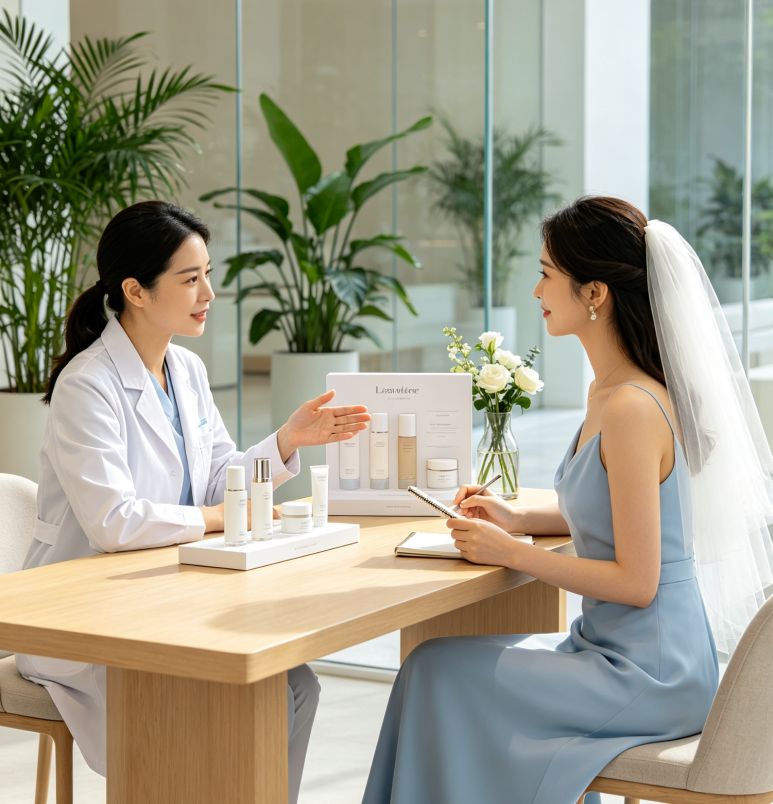
Understanding Common Pre-Wedding Concerns
Brides and grooms often face similar challenges in the weeks leading up to their event. Busy schedules, travel planning, financial decisions, and social commitments can increase stress levels. Studies published by the American Psychological Association explain that prolonged stress may affect sleep quality, energy levels, and overall well-being.
Common concerns include:
- Dull or tired-looking skin
- Temporary blemishes or irritation
- Dry skin caused by dehydration
- Muscle tension from long workdays
- Poor sleep before major events
- Fatigue during engagement photo sessions
Recognizing these concerns early allows couples to create realistic routines instead of relying on last-minute cosmetic fixes.
How Daily Wellness Habits Support Event Preparation
Healthy appearance usually reflects consistent daily habits. Findings from the National Sleep Foundation emphasize that quality sleep supports physical recovery and cognitive performance. Research published by the Academy of Nutrition and Dietetics also highlights the value of balanced nutrition and proper hydration for maintaining healthy skin and energy levels.
A practical wellness routine may include:
- Drinking enough water throughout the day
- Eating nutrient-rich meals with fruits, vegetables, lean proteins, and healthy fats
- Maintaining a consistent sleep schedule
- Following a simple skincare routine recommended by skincare professionals
- Managing stress through exercise, meditation, or breathing exercises
These habits build a stronger foundation than quick solutions introduced only days before the wedding.
Step 1: Start Planning Eight to Twelve Weeks Before the Event
Preparing early reduces unnecessary pressure. The American Academy of Dermatology recommends giving skincare products time to work before evaluating their effectiveness. Beginning several weeks in advance also allows room to adjust routines if irritation or unexpected reactions occur.
Couples may also benefit from exploring online wedding planning resources to organize timelines, coordinate vendors, and keep important preparation tasks in one place. Create a simple calendar that includes appointments, exercise sessions, hydration goals, and rest days. Consistency is usually more valuable than intensity.
Create a simple calendar that includes appointments, exercise sessions, hydration goals, and rest days. Consistency is usually more valuable than intensity.
Step 2: Schedule Professional Treatments Carefully
Facials, massages, and other wellness appointments are often best scheduled well before the event. Professionals generally recommend avoiding unfamiliar treatments immediately before weddings because every person’s skin reacts differently.
If visiting a wellness center, ask questions about recovery time, expected outcomes, and whether the service fits your overall health goals. A qualified provider can explain realistic expectations and appropriate timing.
Step 3: Maintain Healthy Lifestyle Habits Between Appointments
Professional services work best when supported by healthy daily choices. Reports from the World Health Organization continue to emphasize the importance of physical activity, balanced nutrition, and sufficient sleep for overall wellness.
Between appointments, focus on:
- Regular physical activity suited to your fitness level
- Daily sun protection when outdoors
- Limiting excessive liquor consumption before important events
- Reducing late-night screen exposure to improve sleep quality
- Following skincare instructions provided by qualified professionals
Step 4: Include Recovery as Part of the Schedule
Many people underestimate the importance of recovery. Wedding planning often fills every available evening with appointments and errands, leaving little time to rest.
Recovery may include relaxation sessions, gentle stretching, mindfulness exercises, or wellness treatments available at reputable spas. Some facilities also provide light-based wellness equipment as part of broader recovery programs. These offerings should be viewed as supportive services rather than guaranteed cosmetic solutions, since scientific evidence continues to evolve and individual outcomes differ.
Step 5: Avoid Last-Minute Changes
Experts from the American Academy of Dermatology advise caution when introducing new skincare products shortly before important occasions. Even high-quality products can cause unexpected irritation or allergic reactions in some individuals.
The final week before the wedding should emphasize maintenance rather than experimentation. Continue established routines, prioritize rest, and avoid dramatic changes unless advised by qualified healthcare professionals.
Balancing Beauty Treatments with Recovery
Looking refreshed often comes from balancing appearance-focused services with adequate recovery. Couples sometimes schedule every available appointment without leaving enough time for their bodies to recover from travel, celebrations, or work obligations.
A balanced approach may include alternating beauty appointments with lighter days dedicated to sleep, hydration, nutritious meals, and gentle exercise. This schedule helps reduce unnecessary fatigue while supporting overall well-being throughout wedding week.
Final Checklist for a Realistic Pre-Event Wellness Plan
- Start planning several weeks before the event.
- Build healthy habits around sleep, hydration, nutrition, and physical activity.
- Choose reputable professionals for skincare and wellness services.
- Allow adequate recovery between appointments.
- Avoid trying unfamiliar treatments immediately before the wedding.
- Maintain realistic expectations about cosmetic improvements.
- Focus on feeling healthy and confident rather than pursuing perfection.
Conclusion
Wedding preparation is most successful when wellness becomes part of everyday life instead of a rushed project completed during the final week. Research from organizations including the American Academy of Dermatology, the American Psychological Association, and the World Health Organization consistently supports the value of healthy routines, stress management, and adequate recovery. Beauty treatments and wellness services may complement these habits, yet lasting confidence is more likely to come from realistic expectations, balanced planning, and overall well-being than from any single cosmetic approach.